Online Subwoofer Box Simulator

The modern, cloud-based alternative to WinISD. Load your Thiele-Small parameters to model speaker frequency response, tune ported boxes, and predict cone excursion directly in your browser, no downloads required.

Launch Simulator
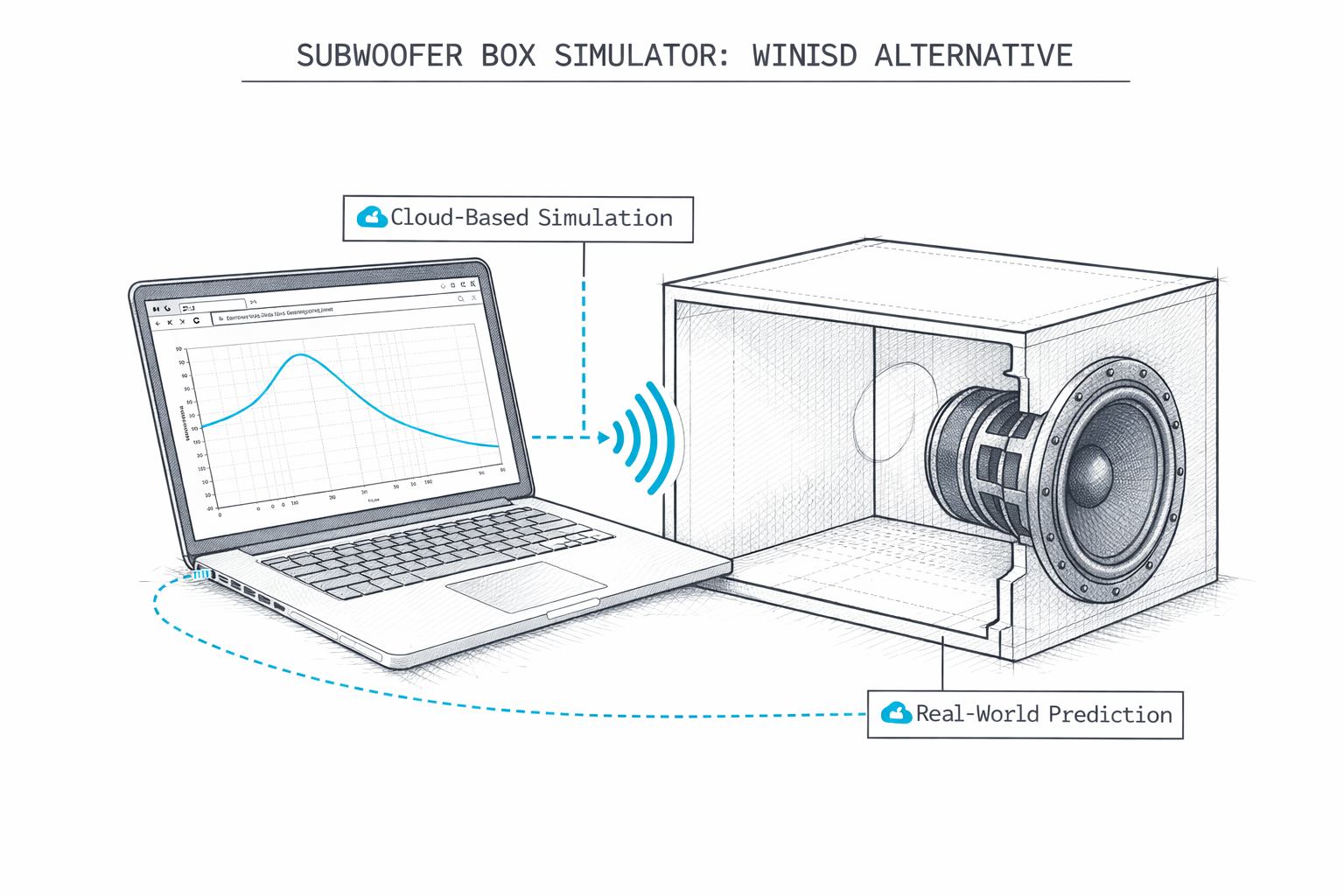
Technical drawing of an online subwoofer box simulator showing a frequency response graph

Why use our Simulation Software?

  • 100% Web-based (Works on Mac, PC, and Mobile)
  • Model Closed, Vented (Ported), and Custom designs
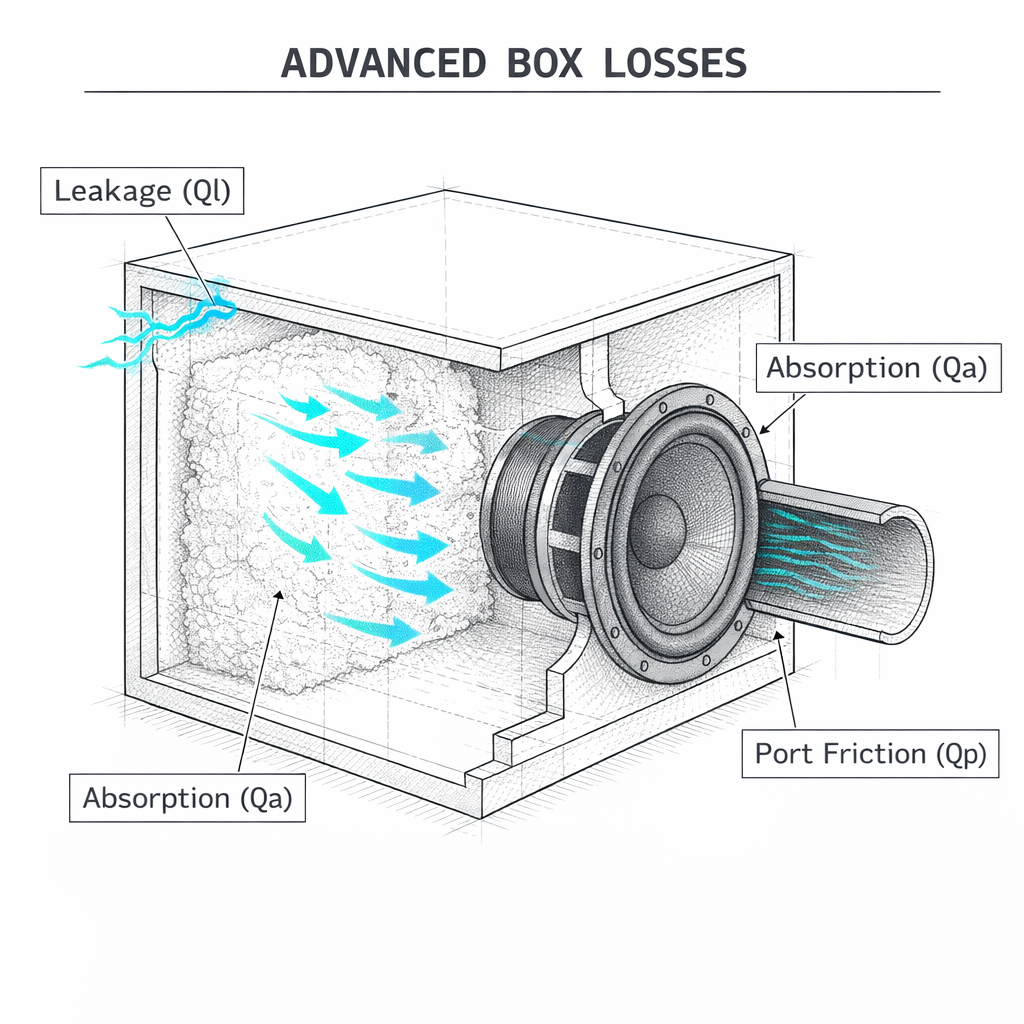
  • Advanced box losses tracking (Ql, Qa, Qp)

Pro-Level Speaker Tuning Tools
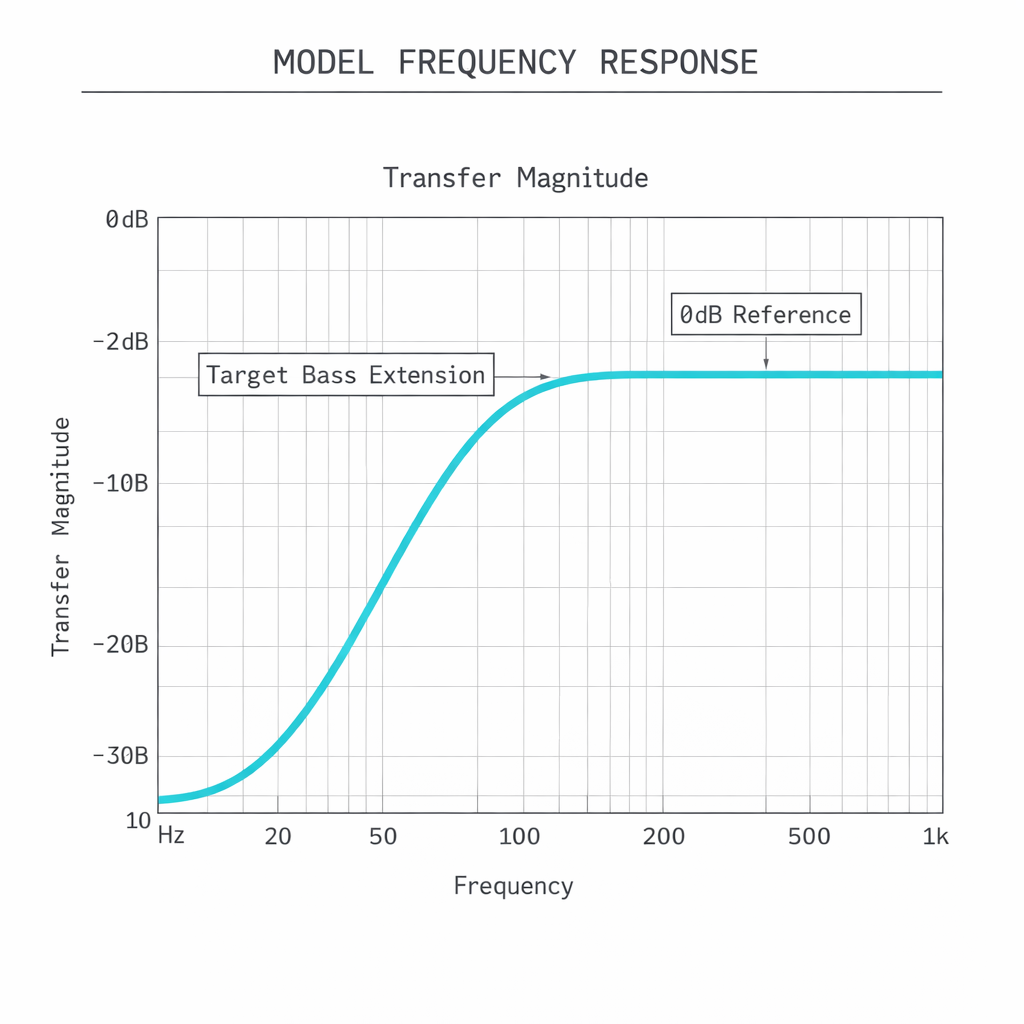
Graph showing the frequency response transfer magnitude curve of a subwoofer

Frequency Response Graphs

Visualize exactly how your subwoofer will sound before you cut a single piece of wood. Our transfer magnitude graphs help you design a flat response curve or a targeted bass boost.
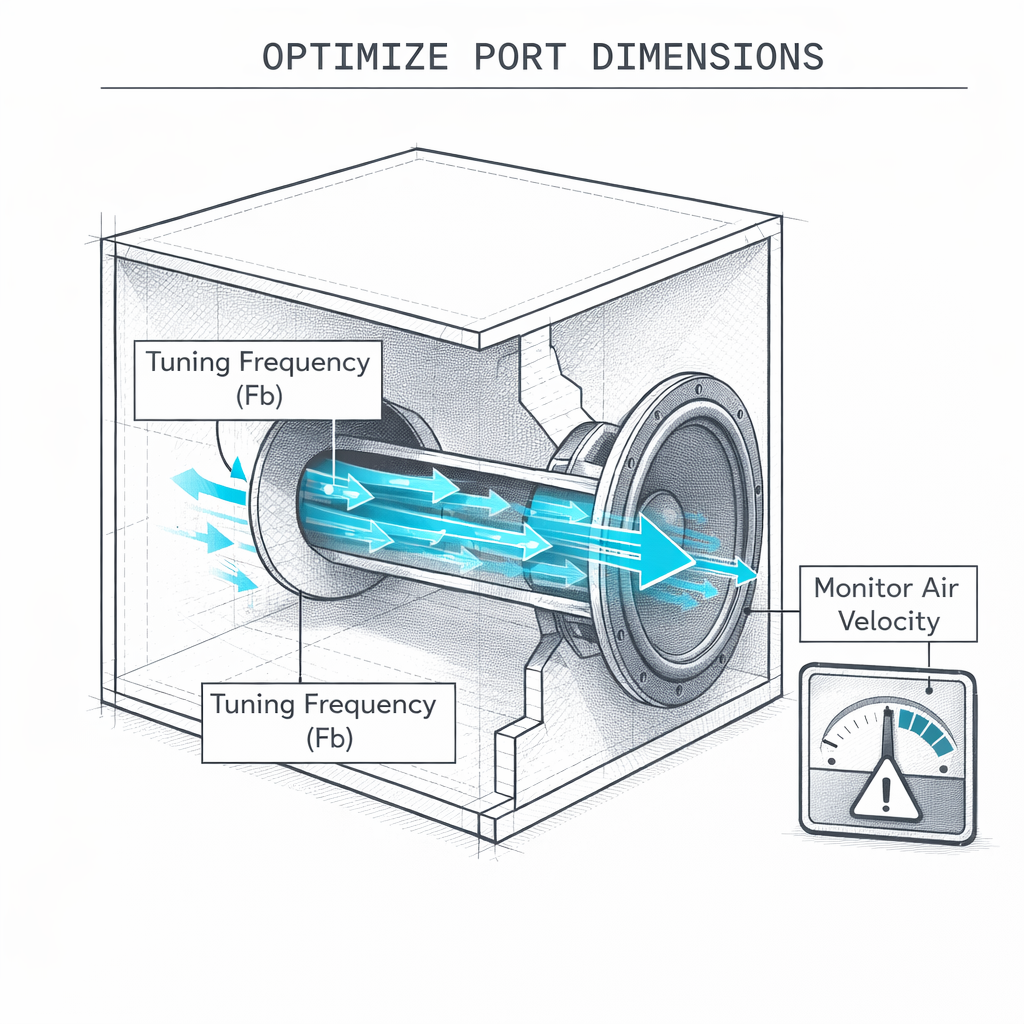
Cutaway diagram of a subwoofer port showing air velocity tuning

Subwoofer Port Tuning (Fb)

Designing a vented enclosure? Use our tuning software to find the perfect port frequency (Fb) and monitor port air velocity to prevent chuffing at high volumes. Once your tuning is perfect, use our speaker box calculator to design the physical wood cabinet.
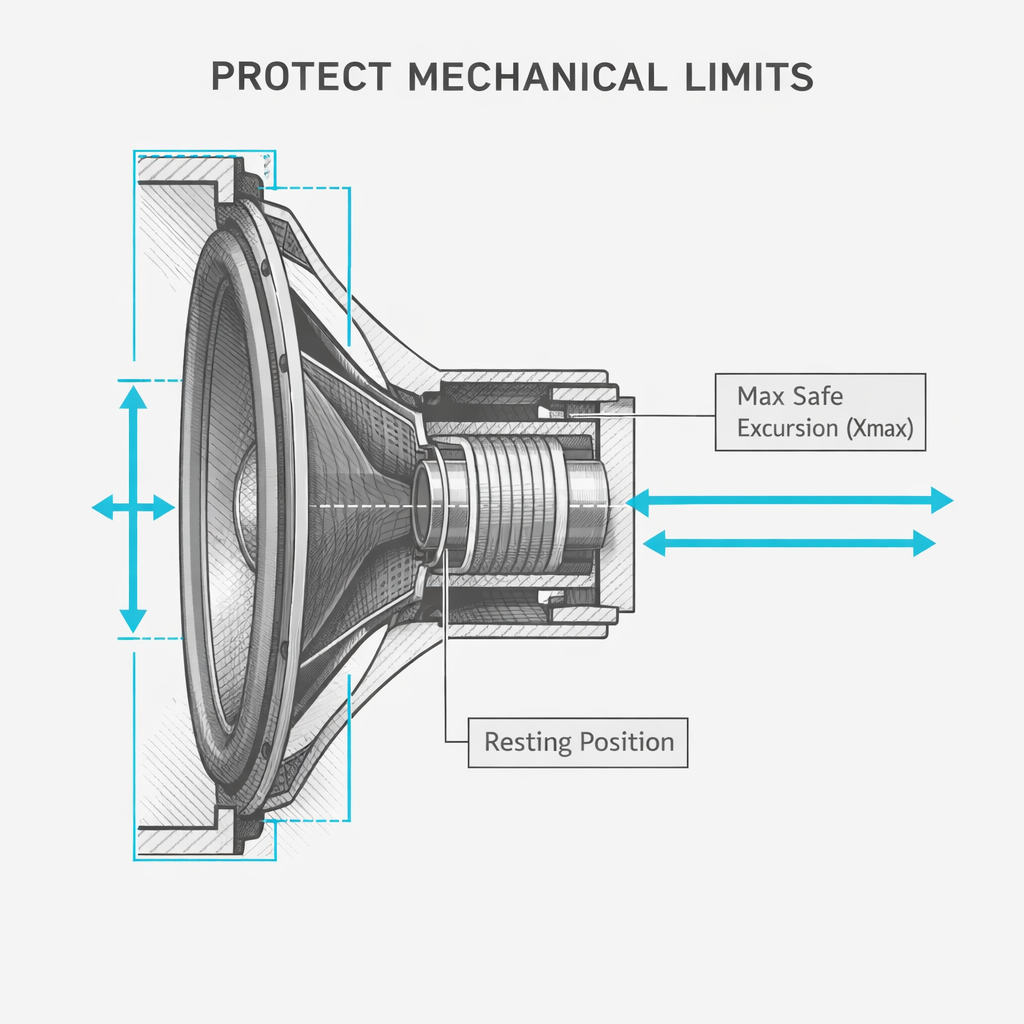
Diagram showing the maximum mechanical cone excursion limits of a speaker driver

Safe Excursion Limits

Protect your expensive audio drivers. Model cone excursion (Xmax) and maximum power handling to ensure your speaker driver stays within safe mechanical limits across all frequencies.

Frequently Asked Questions
Yes! For years, audio designers have had to use virtual machines or old Windows laptops just to run WinISD. Our simulator is built entirely on modern web technologies. It runs flawlessly on macOS, Windows, Linux, and even your tablet, providing the same high-level mathematical models. It also seamlessly integrates with our subwoofer specs database to speed up your workflow.

Our software lets you model both. A closed (sealed) box generally provides a tighter, more accurate bass response with a gentle roll-off, but requires more amplifier power. A vented (ported) box is much more efficient and can play significantly deeper bass, but requires careful port tuning to avoid muddy sound. Use our graph overlays to compare a sealed vs ported design. Found the perfect response curve? Head over to our subwoofer enclosure designer to get your exact external dimensions.

Technical drawing showing Ql, Qa, and Qp box losses in a subwoofer enclosure
In the real world, no speaker cabinet is perfect. Our advanced simulator accounts for Ql (Leakage losses from imperfect seals), Qa (Absorption losses from internal acoustic damping material/polyfill), and Qp (Port losses from friction). Tuning these parameters gives you a much more realistic simulation compared to basic online calculators.